Key West’s past shaped its buildings at every stage. Bahamian immigrants built conch houses using ship carpentry skills, making them sturdy enough to withstand storms and long summers. The wrecking industry brought prosperity that funded Victorian and Queen Anne homes, while Spanish Colonial villas reflected ties to Caribbean trade and seafaring culture. Later, cigar manufacturing attracted new residents who filled neighborhoods with cottages and community spaces, many of which still stand today. Even modest homes often carried thoughtful design details, from latticework to shaded porches, that tied them to the island’s identity. Together, these influences created the look of Key West architecture that still defines Old Town, where every street corner offers reminders of layered history, cultural blending, and resilience.
What Makes Key West Architecture So Distinct?
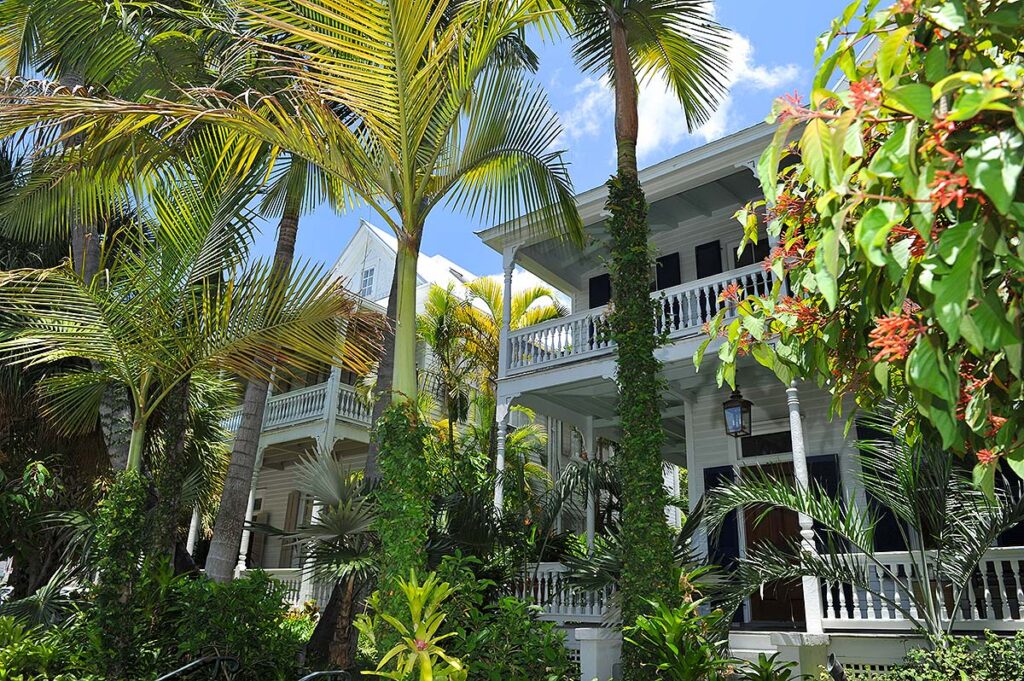
Key West architecture is one of the island’s most recognizable features, shaping the way both locals and visitors experience Old Town. Streets are filled with pastel-painted houses, shady porches, and historic churches that reflect layers of history. Bahamian carpenters introduced building techniques that combined strength with style, while later residents added their own influences through decorative trim and tropical gardens. Conch houses remain the most iconic, often framed by tall palms and wraparound verandas. Victorian mansions, modest cottages, and restored cigar workers’ homes sit side by side, each showing how the island grew and adapted through different eras. A walk through these neighborhoods highlights how Key West architecture captures both tradition and daily island life.
How Has Key West Architecture Evolved Over Time?
The story of Key West architecture stretches back to the early 1800s, when settlers relied on Dade County pine to build homes that could endure heat, humidity, and storms. Raised foundations allowed breezes to pass underneath, and shutters were designed to close tightly when the weather threatened. As Key West prospered through shipwreck salvage and later the cigar industry, wealthier families constructed Victorian and Queen Anne houses with wide porches, towers, and intricate woodwork. Spanish Colonial and Cuban styles added tiled roofs, inner courtyards, and arched details that brought another layer of cultural influence. Each generation made small changes to suit the climate and way of life, leaving a collection of buildings that still define the island’s look today.
Where Can You See the Best Examples of Key West Architecture?
Conch Houses: The Iconic Heart of Key West
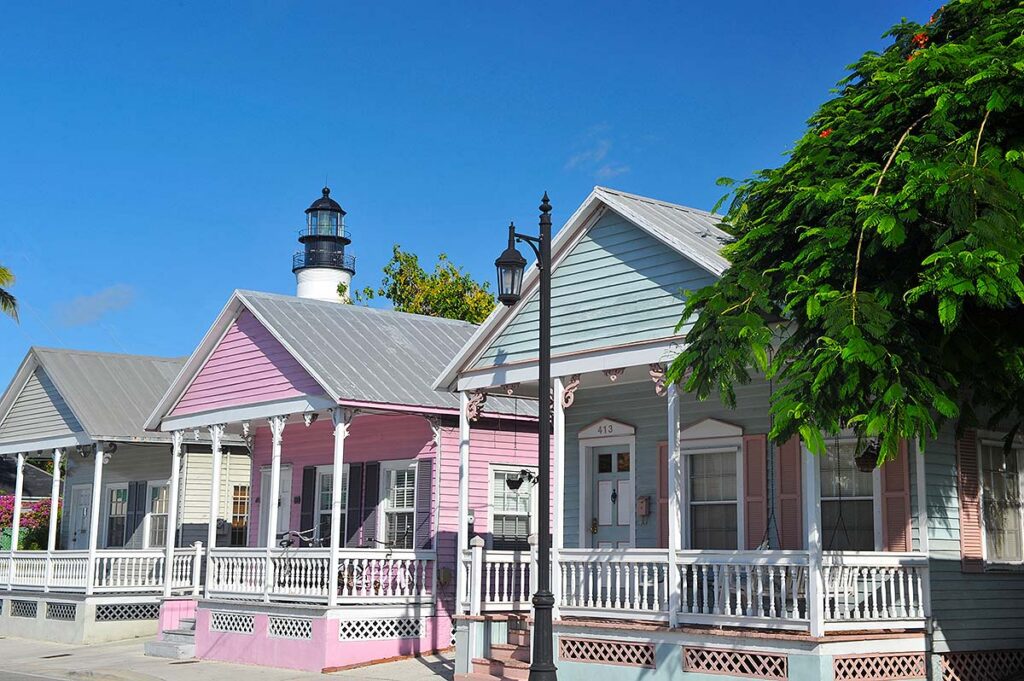
Conch houses remain the foundation of Key West architecture. Built in the 1800s by Bahamian immigrants, they reflect the skill of ship carpenters who created homes as sturdy as they were inviting. Raised foundations protected them from floods, and broad porches provided shade and a place to gather during warm evenings. Many are painted in soft pastels with shutters, ornate trim, and lush gardens that frame them in bright color. Walking through Old Town, you can see these houses close together, giving the streets a neighborly feel that reflects the island’s history. Inside, woodwork and high ceilings show practical choices that also feel timeless, making these homes some of the most admired structures in the city today.
Victorian and Queen Anne: A Touch of Elegance
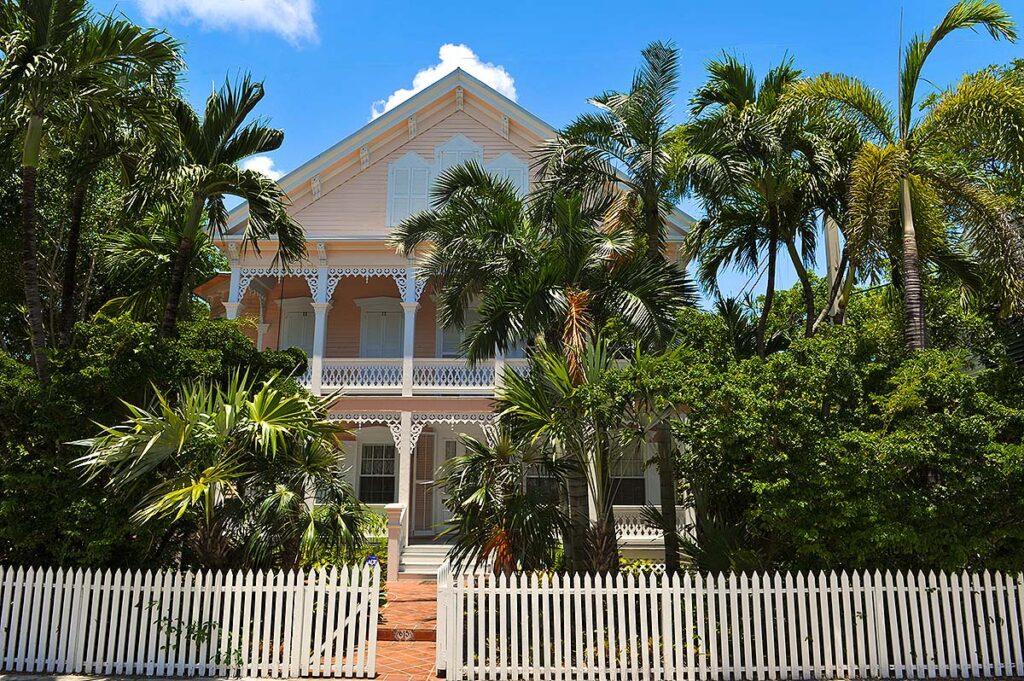
Victorian and Queen Anne homes highlight the prosperous years of Key West architecture. These houses feature wraparound porches, spindled railings, and towers that rise above rooftops, drawing the eye upward. Some are carefully preserved private residences, while others welcome visitors for tours. The Truman Little White House stands as one of the best-known examples, offering not only craftsmanship of the era but also a glimpse into the time when President Harry Truman worked from the island. Touring the property shows how national history and island life intersected here. In neighborhoods surrounding Whitehead Street and Eaton Street, you’ll spot additional Victorian gems tucked among gardens, each with its own personality and story to tell.
Eyebrow Houses: A Unique Key West Adaptation
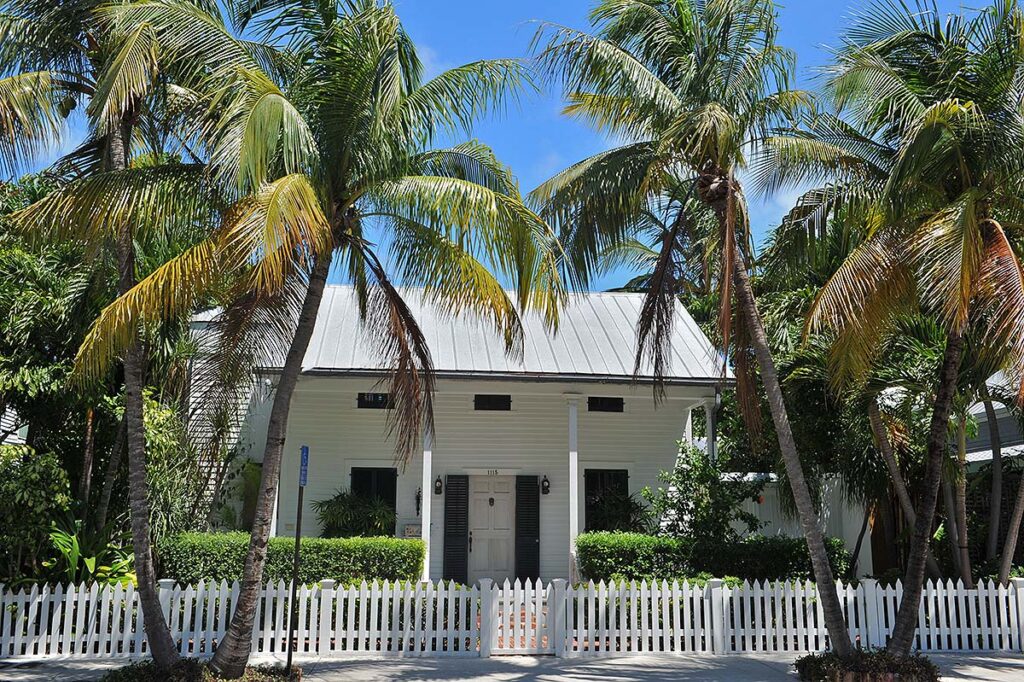
Eyebrow houses are a style unique to Key West architecture. Builders added low eaves that shade the second-story windows, giving the homes a half-closed look that explains their name. The design kept interiors cooler before air conditioning was available, showing how well locals adapted their building styles to the island’s heat. Many eyebrow houses remain in Old Town, often restored with care to preserve their distinctive shape. They are easy to spot on walking tours, and seeing them side by side with conch and Victorian homes underscores the variety of architectural imagination that fills Key West’s neighborhoods. Many visitors find themselves pausing to photograph these homes, since their unusual proportions are both practical and eye-catching.
What Are Some Interesting Facts About Key West Architecture?

One of the most recognized styles in Key West architecture is Spanish Colonial. Ernest Hemingway’s former residence is the most famous example, with thick walls, shaded verandas, and tropical gardens that reflect Caribbean influence and practical adaptation to the climate. Key West’s Old Town contains more than 3,000 historic buildings, making it one of the largest preserved districts in the United States. Walking through these streets feels like stepping into a timeline of building styles, with homes and public buildings that stretch across centuries of history.
The shotgun house, another style found in Key West, is long and narrow with rooms set one behind the other. Locals often joke that a bullet could pass straight through the front and out the back without hitting a wall, which helps explain its name. Many homes stand out thanks to elaborate gingerbread trim. Spindles, decorative brackets, and woodwork show the care that went into design as much as function. Each detail adds character and makes even small cottages feel like works of art.
Perhaps the most distinct feature in Key West architecture is the “eyebrow” eave, built to shade upper windows. This clever detail kept houses cooler in the days before modern air systems, and it remains one of the island’s defining architectural features. The conch house, built by Bahamian immigrants in the 19th century, continues to be the style most associated with the island. It blends resilience with beauty, proving how ship carpenters brought their skills from the sea to the streets of Key West. Today, ongoing preservation ensures that all of these styles remain part of daily life on the island.
What’s the Best Way To Explore Key West Architecture?
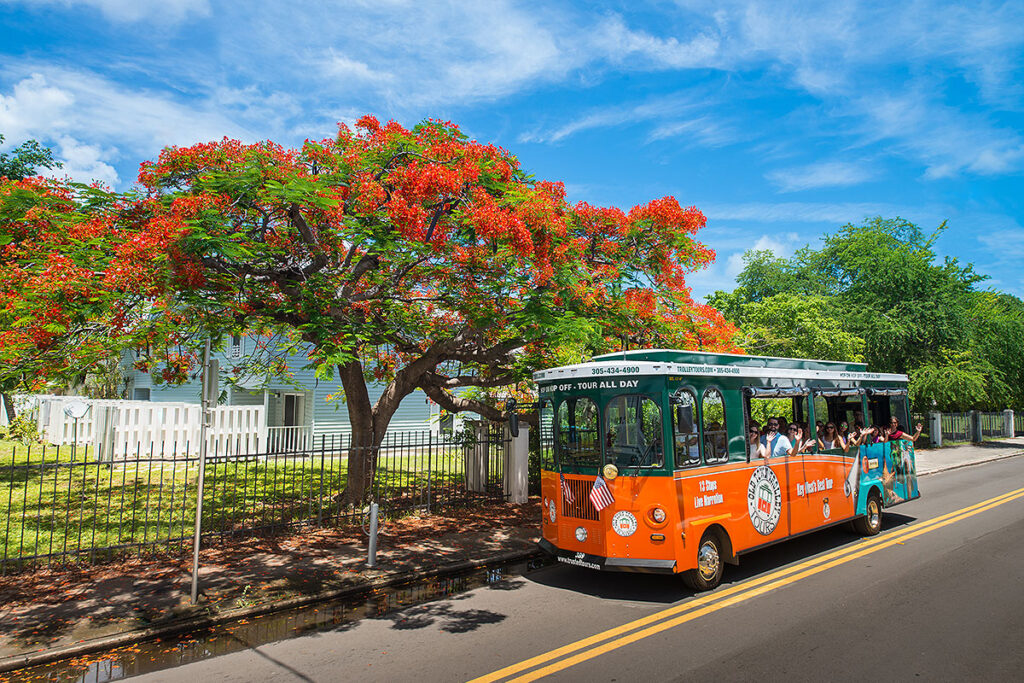
One of the easiest ways to see Key West architecture is aboard Old Town Trolley Tours®. Guests can hop on and off at different points across the island while guides share live narration about historic neighborhoods and the stories behind their buildings. The trolley makes it possible to cover more ground without missing important landmarks.
The Conch Tour Train is another popular option. Its smaller size lets it weave through narrow streets, and riders hear about the history of conch houses, eyebrow windows, and famous residents who once called them home. It’s especially useful for first-time visitors who want a broad overview of the island’s building traditions.
Walking tours offer the closest look at Key West architecture. Strolling Old Town’s lanes brings you right up to porches, gardens, and restored cottages where you can admire craftsmanship up close. Many tours are led by local historians who point out details that might otherwise go unnoticed, adding even more depth to the experience. Evening walks under the glow of lamplight make the architectural details stand out in a new way, turning a casual stroll into a memorable part of any Key West visit.
Why Does Key West Architecture Leave Such a Strong Impression?
Key West architecture tells the island’s story in a way no textbook can. Every conch house, Spanish Colonial villa, and Victorian mansion shows how generations adapted to the weather, celebrated their culture, and left behind something lasting. Walking the streets of Old Town reveals more than pretty buildings. It shows the resilience of Bahamian carpenters, the prosperity of the wrecking era, and the creativity of residents who added gingerbread trim and shaded eyebrow windows to their homes. Today, Old Town Trolley Tours® and walking tours make it simple to explore these neighborhoods while learning from guides who bring the history to life. Experiencing Key West architecture firsthand means gaining a deeper understanding of the island’s identity, one porch, veranda, and carefully carved detail at a time.
FAQs About Key West Architecture
A conch house is straightforward in design, usually wooden, with wide porches, shutters, and high ceilings that encourage breezes to move through. Many were painted in pastel shades, trimmed with gingerbread details, and surrounded by tropical gardens that softened their lines. Victorian houses in Key West, by contrast, stand out with towers, stained glass, balconies, and elaborate trim that reflect the wealth of their builders. Each style plays an important role in the story of Key West architecture, showing how the island expressed practicality, beauty, and pride in equal measure. Walking the neighborhoods today, it’s easy to see both styles side by side, revealing how communities grew and adapted across generations.
The island’s heat, humidity, and storms influenced the way homes were built. High ceilings, porches, and eyebrow windows kept interiors cool without modern systems. Raised foundations provided safety from flooding, while shutters and angled rooflines protected against seasonal winds. Wraparound verandas gave families shaded places to gather outdoors in the evenings before air conditioning. These design elements were practical, but they also became hallmarks of Key West architecture, helping homes endure centuries of weather. Today, these same features give the city its lasting style and show how builders worked with the environment to shape the island’s neighborhoods.
Old Town is home to more than 3,000 preserved buildings, making it the best place to see Key West architecture. Caroline Street and Whitehead Street are lined with conch houses, eyebrow cottages, and Victorian landmarks that highlight the city’s unique past. Tours like Old Town Trolley Tours® and the Conch Tour Train share history while traveling through narrow lanes filled with stories. Museums such as the Audubon House invite guests inside restored interiors, while Duval Street shows colorful balconies and flower-draped porches. Evening strolls through Old Town reveal how light brings out carved trim, shutters, and pastel hues, giving another way to appreciate the craftsmanship. Exploring at different times of day offers fresh perspectives and highlights the details that keep the district so memorable.
Key West brings together Bahamian, Caribbean, Spanish, and Victorian influences, creating an architectural identity that stands apart. Wooden homes with gingerbread trim sit alongside Spanish Colonial villas and large mansions framed by tropical gardens and shaded porches. Eyebrow windows remain one of the most recognizable features, keeping upper rooms cool while adding character. This blend gives Key West architecture its lasting identity and reflects both resilience and creativity. Exploring these neighborhoods shows why preservation is valued and why the island’s buildings continue to inspire artists, writers, and visitors.
